
Ben G. Brown and the Extraordinary Story Behind Ultimate Thunder – Interview
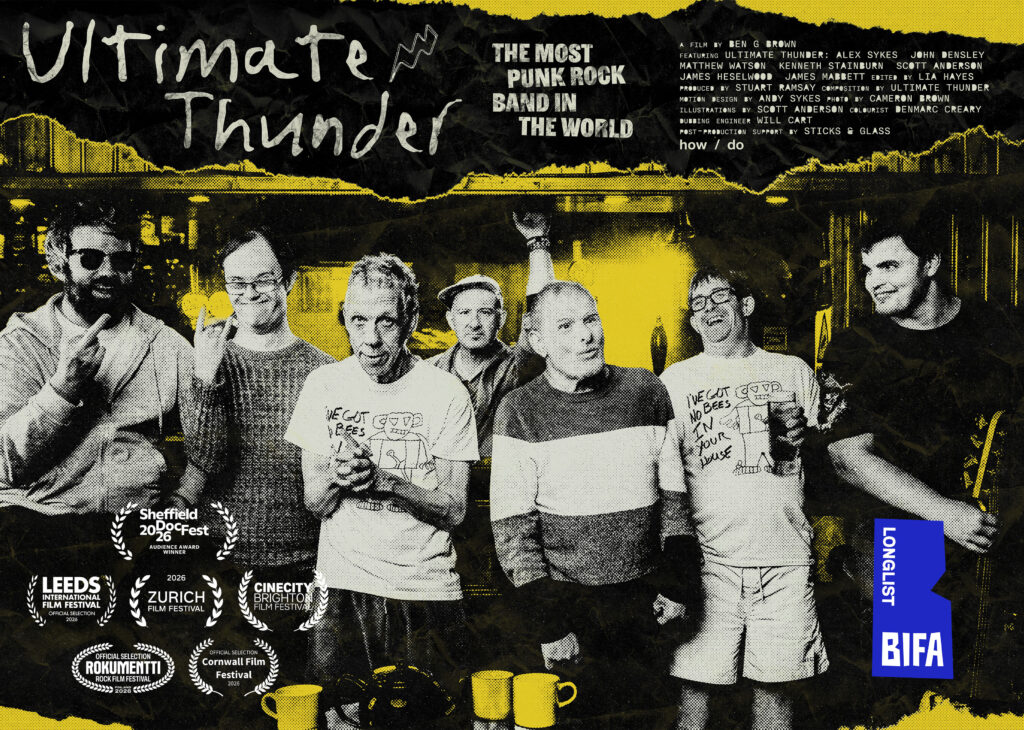
Ultimate Thunder Poster. Photo Credit: Ben G. Brown.
Leeds-based director Ben G. Brown has just been awarded Best Documentary Feature at LIFF for his film ‘Ultimate Thunder’. Following a six-piece punk band from Leeds, five of whose members have learning disabilities, Down syndrome or autism, over the course of four years, the film captures the adventures, friendships, ambitions, music and glorious chaos that come with band life.
After premiering at Sheffield DocFest in June, where it picked up the International Audience Award, the film has enjoyed a run of success that has surprised everyone involved. The band themselves, however, are not getting carried away – Ben tells us that they are “just so into their music and not bothered about the awards”.
An attitude that mirrors the film perfectly. ‘Ultimate Thunder’ was never made with accolades in mind. It’s a celebration of being unapologetically yourself and a love letter to Leeds: its independent music scene, wonderfully eccentric characters and the communities that make the city such a special place. Earlier this month, Ben and the team got the biggest reward they could have hoped for, with three sold-out screenings at their hometown’s Film Festival.
We caught up with Ben to talk about the making of ‘Ultimate Thunder’, the importance of funding underrepresented voices in the arts and the special role that Leeds plays in a story like this.
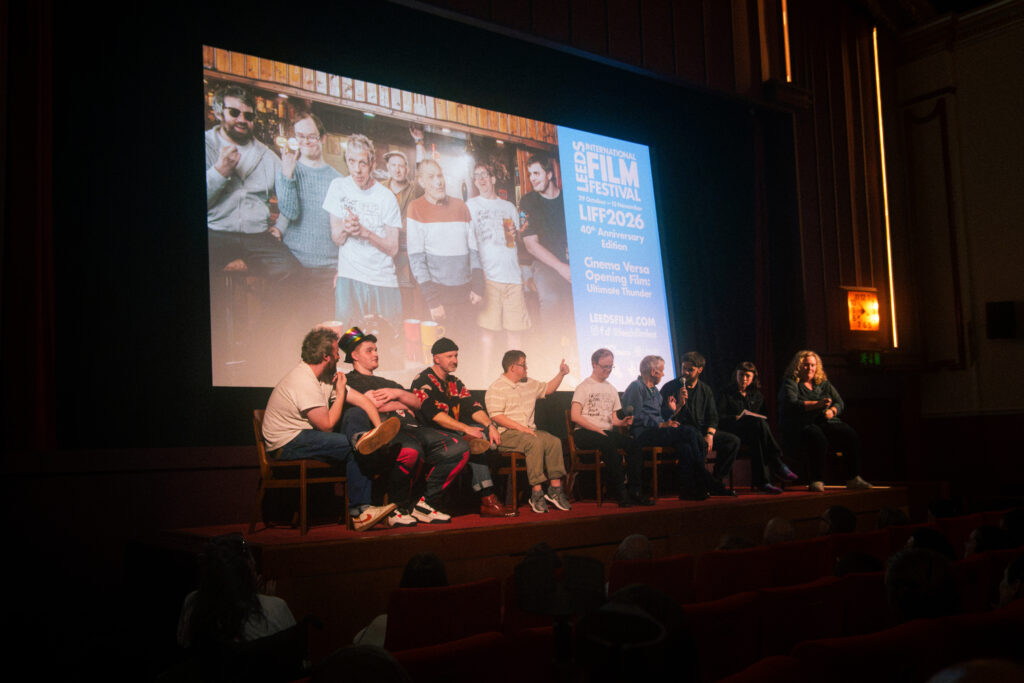
Film Screening and Q&A at Hyde Park Picture House. Photo Credit: Cameron Brown
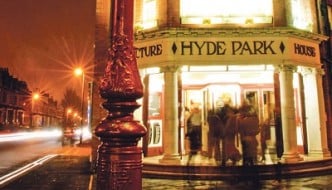
So what was it like bringing the film to Hyde Park Picture House?
I mean, for me that place is like my church. For the band, everyone is from Leeds, it’s the city where it all began… Bringing it back was amazing. The city’s so intertwined with the story as well. There was an energy in the cinema on Friday that was like, “oh wow, this is why we make films.”
I bet the reaction was awesome, especially given that a lot of the audience would recognise most of the places, and maybe even the people.
Leeds is where Ultimate Thunder are best known, but there are still plenty of people who haven’t discovered them yet. So it was amazing to see audiences getting to know this local band and, as you said, seeing Leeds up on the big screen, which isn’t something we get to experience often.
A lot of people commented that they loved how we showed Leeds in a real sense. We didn’t show the Dales, we showed the reality of living and working in the city. The band’s rehearsal space is next to a scrap yard. I think there’s a beauty in that which really did resonate.
How did you first come across the band?
I made a short film about Matthew, the lead singer, just after lockdown. He’s also a really talented painter and I was making a short film for the Arts Council about him. I spent a week with him and realised that a big part of his life was the band so I just had to go down and see what they did. As soon as I saw them I was like ‘this is where the film is.’
The film that we made about Matthew got into some film festivals, including LIFF. A producer in London saw it and asked if I’d be interested in making a sizzle, which is like a short teaser about the band which they could then pitch to try and get money for a feature film. We did that and they kind of lost interest in the idea. But I was so invested in the band at this point that there was no way I wasn’t going to make the film.
I’m a freelance filmmaker so I had the kit, but it wasn’t easy. I’ve had to pay for everything myself. We only had a three man team so I shot it all myself, which added to the chaotic nature of the documentary because sometimes it was just like how are we going to do this. It’s been 4 years of hard work, but the story was waiting to be told.
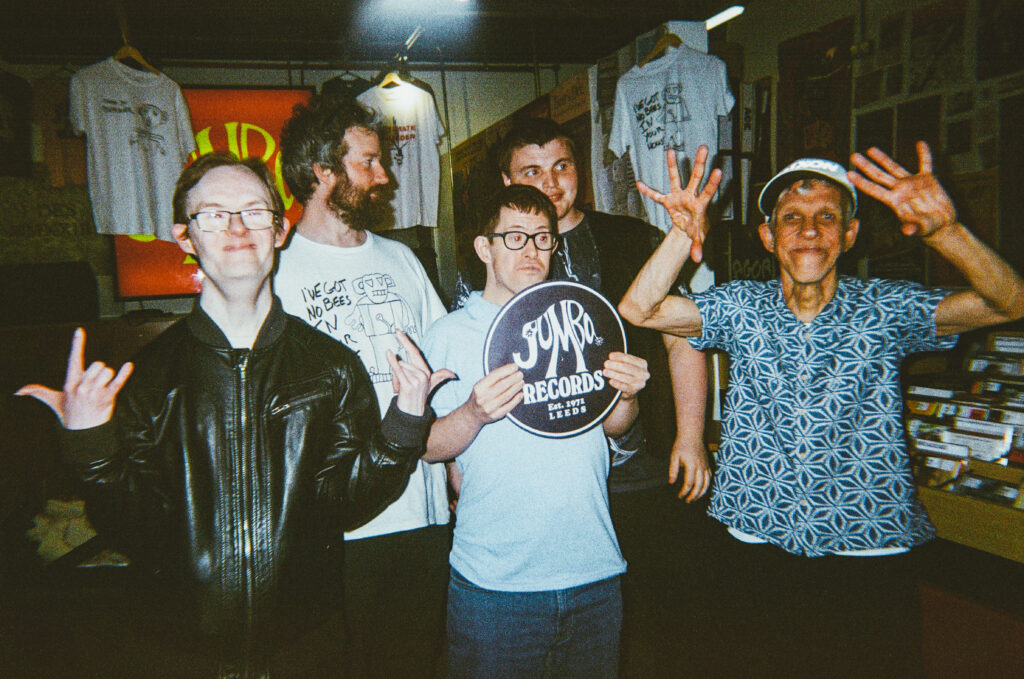
Ultimate Thunder at Jumbo Records. Photo Credit: Ben G. Brown.
What were the challenges of filming with next to no budget? Were the things you wanted to do but couldn’t because of the finances?
If you want to use archive footage you’ve got to pay to use it. The guys were on the news a lot, especially around the time they lost funding and started getting support from musicians and the public, so we had to pay quite a lot to get that footage. That’s on top of already having spent four years travelling, getting people in here and there to help, paying for film festivals, music rights etc. One of the guys, Alex, loves ACDC and we originally had ‘Thunderstruck’ in there, but it was gonna cost like fifteen grand or something.
It’s an ongoing battle because now we are paying to go to festivals. It’s still difficult for the band because they haven’t got big backers or regular funding, so they are constantly having to reach out to people to support them.
On the flip side, did it bring any opportunities?
It freed us up to have full creative control because we weren’t answering to people that had given us money. A few times we got close to getting some decent funding, but, some potential investors said the story was too local. I said it’s a universal story and we’ve proved that right because it’s now going to European festivals and getting interest around the world. We’ve had parents and carers from all around the world who have children with learning disabilities saying how great it is.
We’ve been unfunded financially, but we’ve been funded by people supporting it, talking about it, sending us messages and saying how much it means to them.
This is your first feature. What did making this film teach you about filmmaking?
It was impossible for me to be simply observational. The guys know me and they weren’t gonna pretend that I’m not there, so my voice is in the documentary and they speak to me directly. I loved that element of filmmaking because it feels like they are speaking directly to the audience.
The main thing it’s taught me is how to be a human being. How to approach people, how to give people the time and space to express themselves, getting people comfortable with you as a person before you put a camera in their face. I spent a lot of time with the band before I started filming, just so they knew who I was and they understood what we were trying to do.
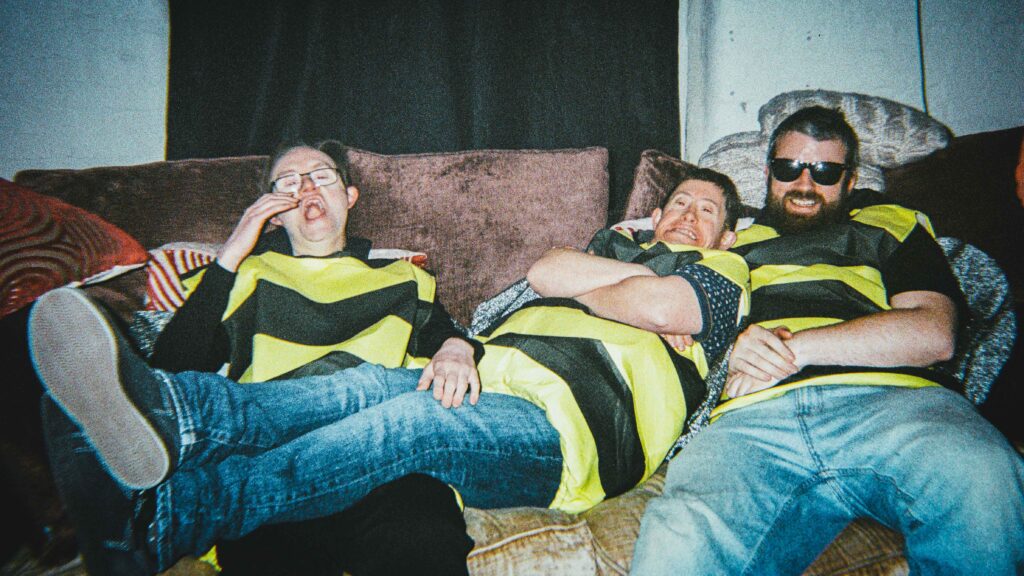
Photo Credit: Ben G. Brown.
While disability is part of the band’s story it’s never the whole story. How important was it to you to let the band members be seen first and foremost as musicians, friends and individuals?
It was everything. They are so funny and they have such unique, strong personalities. I think sometimes with documentaries or films about people with learning disabilities, audiences think it’s gonna be like a charity thing, or a pity story. The guys aren’t worried about it though, they don’t care. I’ve never once had a conversation with them about being down syndrome or learning disabled or autistic, it’s just another element of who they are.
It’s an underdog tale about a group of people that come together to create amazing music, and I don’t know many people who don’t like underdog stories.
The film begins following the band’s uncertain future after their Arts Council funding was cut. Can you explain a bit about those cuts?
The charity who funded the band had lots of their funding cut by the Arts Council, so the charity had to pull money from people and projects who already had funding. Ultimate Thunder happened to be one of those projects. There was no animosity towards the charity ’cause the work they do in Leeds is unbelievable, but it was a shock. It was just really rubbish, especially when you’ve spent so much time with them so you know how much it means to those involved.
What was the public response like?
The band got a lot of support from other musicians and people in the grassroots music community, both in Leeds and around the country, even around the world. But still, people should be getting paid for it.
Just because this is a success story doesn’t mean it’s all happy. As I said, the band are still looking for funding now to keep going, to be able to pay themselves, to maybe one day pay other bands to come in and make music. Art is work, so as much as we love it, it’d be nice to make a living, right?
I just don’t think the arts are valued by the people with access to the money. I don’t think they understand what the arts bring to society.
Sometimes people are like ‘oh, that’s a lovely thing the band are doing, giving them the opportunity or whatever.’ But, no, Ultimate Thunder are extremely talented musicians making great art you can enjoy. It doesn’t have to be this idea of charity, it’s like, ‘you are funding something that makes everything better all around yourself.’ There’s 100s of Ultimate Thunders out there, expressing themselves, who don’t get the opportunity. Luckily, we managed to get this one over the line.
They went on to play some pretty enormous gigs, at Millennium Square for example, after those cuts. What were those gigs like?
Quite emotional really. I’d spent so long with them, doing pubs and back rooms, which there’s nothing wrong with, but they deserve to have a platform and stage in front of bigger crowds. After the funding cuts and health problems, Scott had to have open heart surgery and Matthew lost his voice for like four months leading up to the bigger gigs, it was a big moment. It meant a lot. In the film, James, the founder, says, ‘look, it might only be 6000 people, which is still a lot of people, but for us that’s like 60,000 because we’ve never played in front of this many people before.’ It was unreal. When you watch the film, you’ll see just how much it means to them afterwards.
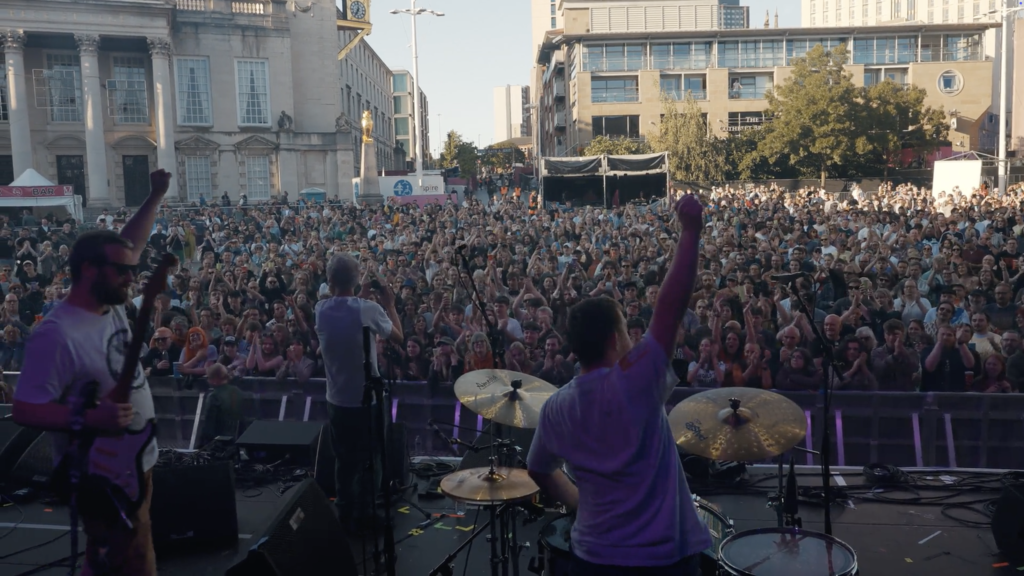
Ultimate Thunder performing at Millenium Square. Photo Credit: Ben G. Brown.
What is it about this city that makes stories like ‘Ultimate Thunder’ possible?
I think in Leeds, and Yorkshire in general, there is this no nonsense kind of approach to things. If something is good we are gonna promote it. The response to Ultimate Thunder was that of course we’re going to put them on stage because they’re mint. Nathan at the Brudenell Social Club was a big champion for the band. What he’s created there is very special and what it does for Leeds’ music scene is unreal. I think there’s a strong community and collective vibe in that LS6 area that has resulted in a creative hotspot. I guess people in Leeds know about it, but I don’t know if many people around the country know about that area. And there’s something nice about that.
I think Leeds is the best city in the world and something like Ultimate Thunder coming out of it is proof. I’d like to think that this film is just another example of all the positive things the city stands for.
***
To get the latest from the band you can follow them on instagram. To catch screenings of the documentary keep on eye on the website and socials for more coming up in 2027.

Comments