Building Bradford Literature Festival, with Syima Aslam – Interview
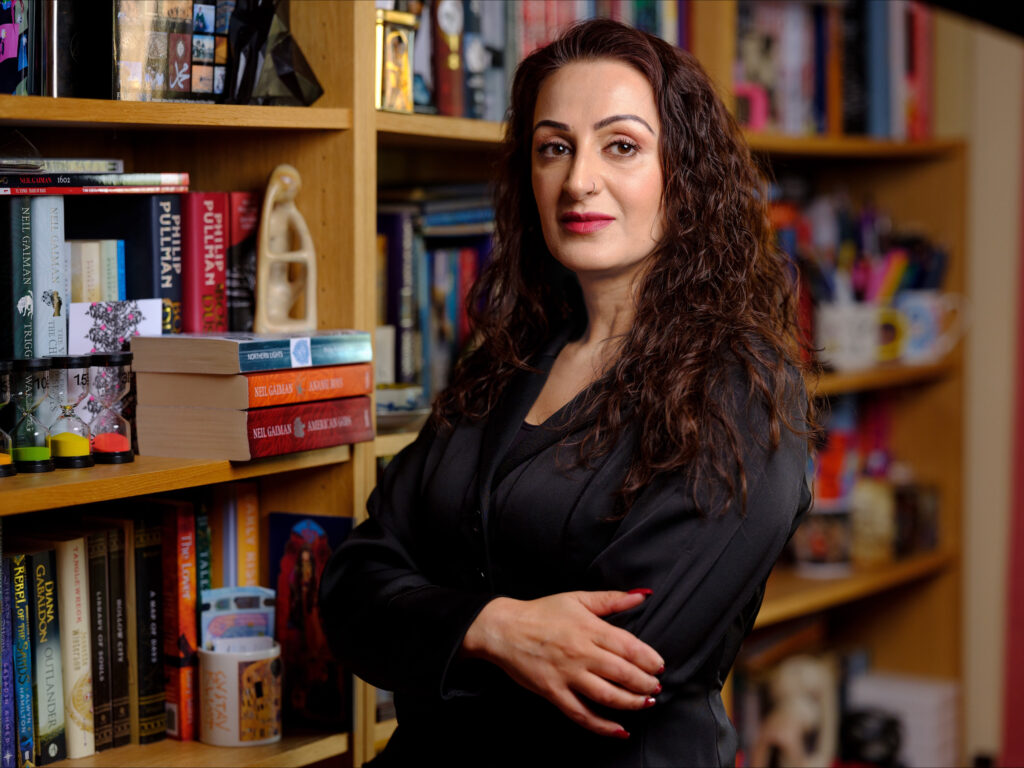
Syima Aslam. Source: Bradford Lit Fest
A few years ago, in the afterglow of lockdown, The Guardian announced that literature festivals were doomed. Several had been killed off by diminishing attendance and other artforms had found a digital means of existence, causing some to believe the in-person literature event could actually fade away.
“People got excited that they could suddenly reach audiences from all around the world,” says Syima Aslam, CEO & Artistic Director of Bradford Literature Festival. “But there’s a very big difference between reach and engagement…”
Since its terminal diagnosis, the lit fest has in fact been on the bounce-back. In 2026, we are not witnessing a funeral, but a popularity surge. Reading is cool again. Literary audiences aren’t giving up on physical culture; increasing awareness of threats to attention spans and capacity for connection is sending them to festivals, some of whom are recording their biggest ever attendances.
“Those person-led spaces where people come together – where you have to be present, listen, and take something in – they’ll get more important the more we move into a technological world,” says Syima. “Because that is the thing that makes us human.”
But in Bradford, this isn’t a new trend. In its twelfth year, with over 700 events across 10 days (their most yet), many already sold out, Bradford Literature Festival (BLF) 2026 is expecting more of the same: unwavering enthusiasm.
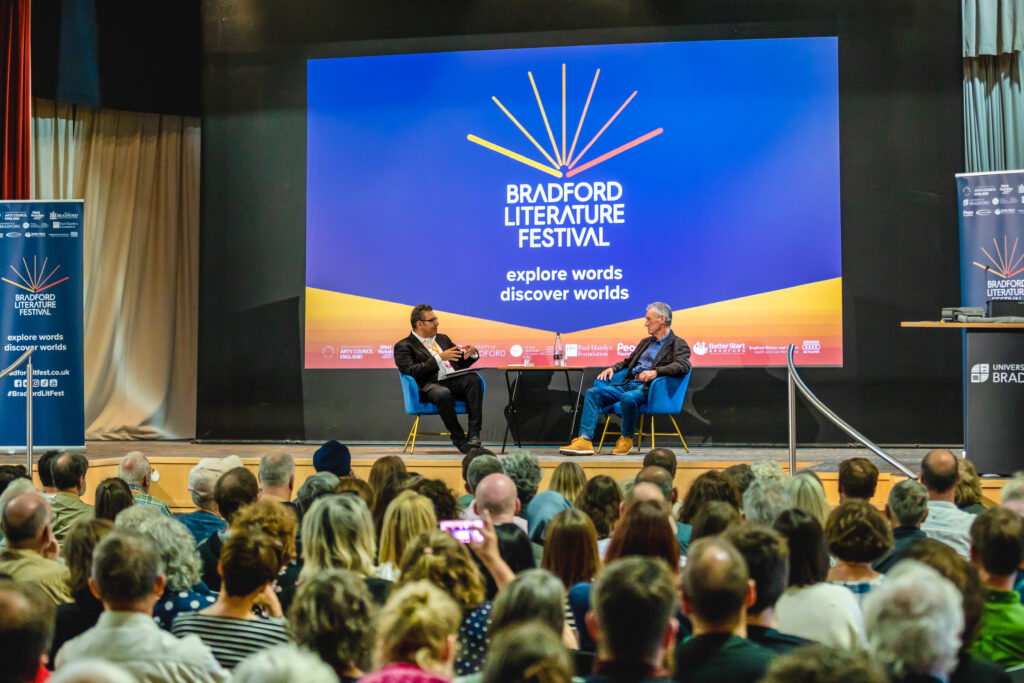
Source: Bradford Lit Fest
BLF was started in 2014 by Syima and Irna Qureshi. The inaugural festival had 968 attendees. This year will likely exceed 2025’s record of 187,000, putting them in the same size category as giants like Edinburgh Book Festival and Hay.
A range of factors get you to this point, not least support from a growing range of sponsors and corporate partners, and becoming an Arts Council England NPO from 2019.
But like all events, success is down to the people behind it and their unique outlook or motives. “I am not from the culture sector,” Syima says with a pride rather amusing for someone running one of the region’s cornerstone cultural events. She originally worked in investment and finance, and spent 18 months working with Bradford College on marketing strategies. She gets data, she studies populations, and she knows Bradford well, giving her a sense of how the city might achieve economic regeneration. “The driver for setting [BLF] up didn’t come from a thought like, ‘It’d be really lovely to set up a literary festival’”, she says. “It actually came from the fact that the city needed to attract visitors back in.”
In 2014, Bradford was stagnating economically, facing deep public sector cuts, and a media-driven reputation for cultural decline. Once one of the wealthiest cities in the country, it had been overtaken by neighbouring Leeds and Manchester for attracting investment and visitors – perhaps an unlikely candidate for a literature festival.
“I had no inkling that this couldn’t happen in Bradford,” she says. “I came in with this innocent mindset of, “We’re going to set up this international destination festival, which is going to do X, Y, and Z.” I’d often get questions like: “What do you mean you want to do a literature festival in Bradford…?” Looking back, I think people just thought I was insane.”
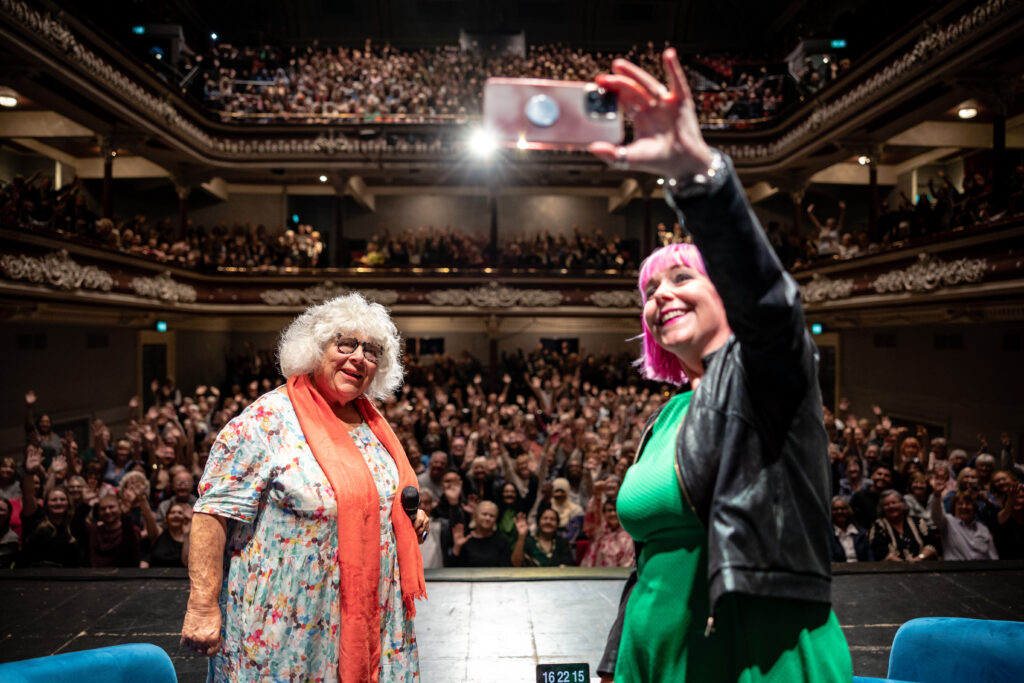
Source: Bradford Lit Fest
Syima knew a successful event could make those living in and out of the city rethink what it was capable of. But doubts over whether Bradford could pull this off also reflected assumptions held about who literature festivals are for. “When I went to other cultural events or literature festivals, I felt it was a very particular audience. For me, it’s about socioeconomics.” Traditional UK literary audiences skew over-55, white, and affluent.
To challenge the lit fest norm, and make BLF accessible for its local audience, they insisted on “an ethical ticketing policy from the start”, meaning flat ticket prices and concessions that meant nearly two-thirds of visitors go for free.
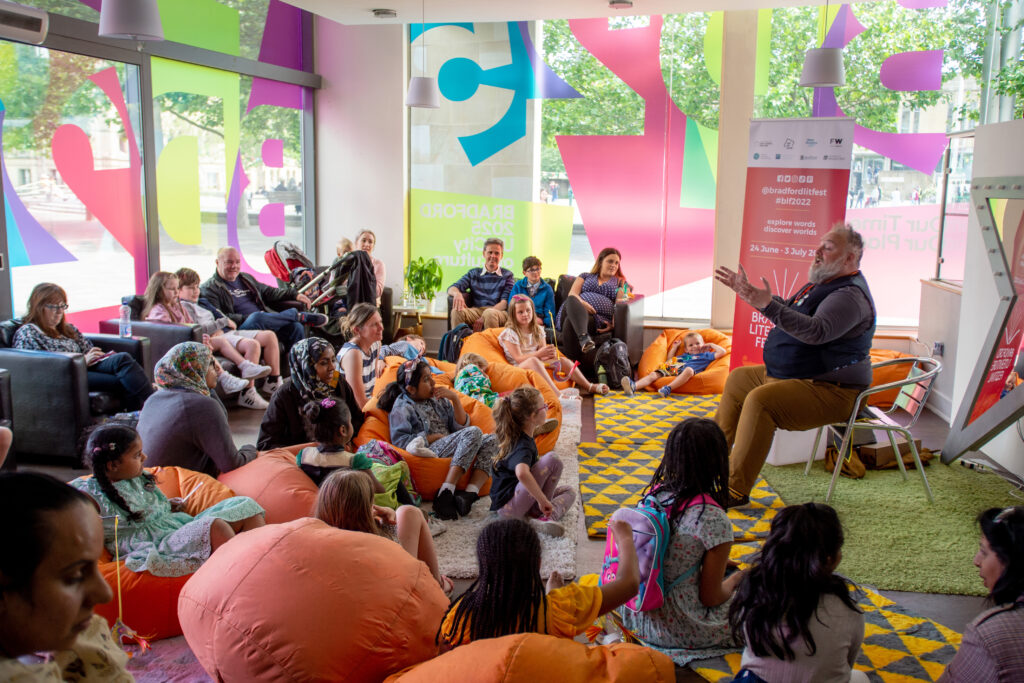
The education programme is designed to get Bradford’s youth excited about literacy and reading, in the face of a school system where nearly one in three children arrive not ‘school ready’, dropping to just 52% in its most deprived neighborhoods. As someone who grew up between West Yorkshire and Pakistan, Syima relied on literacy and libraries to learn language and adapt to cultures; it was essential that the festival provide an opportunity for Bradford’s youth to discover something similar.
Source: Bradford Lit Fest
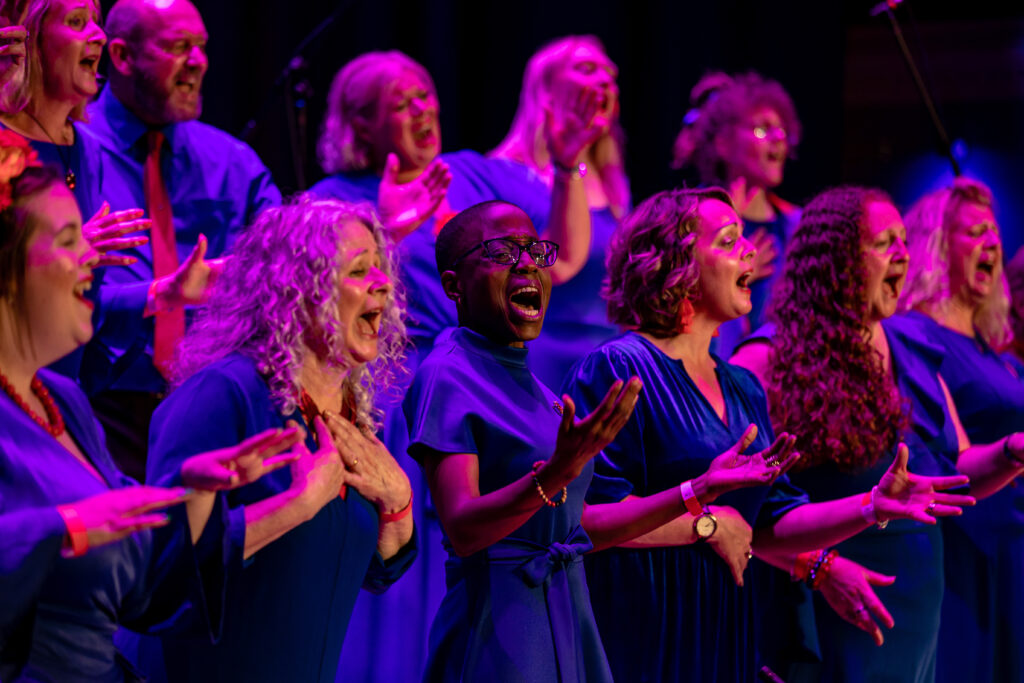
Building BLF as a festival for the people of Bradford – a place where 180 languages are spoken with some of the largest Eastern European, South Asian and Roma communities in any UK city – brings natural diversity. For Syima, this was their biggest strength. “Bradford is the face of the future,” she says. “It’s the place where you can have tough conversations because there are so many communities from around the world here.” Their festival programmes account for all the cultures & interests held across its thirty districts. “If you build a programme that appeals to the entire city, it automatically becomes internationally relevant,” says Syima.
“It’s not a diversity tick-box,” she continues. “It’s literally: this is the city, this is what it reflects. To me, that is true diversity.” This makes for an event that transcends the cliche and genuinely has something for everyone. 2026 will feature the likes of Humza Yousaf, Prue Leith, Jeremy Corbyn and Lemn Sissay, amongst events with local poets, a Lord of the Rings marathon, Turkish classical music, calligraphy classes. There are talks & panels on topics ranging from AI to 9/11, rugby to feminism. From the spiritual, to the local; the academic, to the family friendly.
This ambitious approach clearly has appeal beyond Bradford. 47% of last year’s audience came from out of the city, proof that BLF is hitting the goals of attraction Syima set back in 2014.
Source: Bradford Lit Fest
The city’s wider sector has also benefited from their success. Bradford’s bid for the UK City of Culture designation cited BLF as an example of how things can succeed in the city, and proof there was already a fertile audience for the designation. Now Bradford 2025 has been delivered, bringing new investment and ideas to the city with long term impact; BLF take pride in being part of the transformation to the sector, which is far more confident than it was in 2014: “Coming in with the ambition we had and actually achieving those goals enabled a lot of people to think “ok, I can do something here as well.” We helped make that change.”
It’s clear that BLF is not like other festivals.
Like its contemporaries, it can be a catalyst for industry conversations and literary careers. But it’s also a cultural regeneration project that’s stayed consistently relevant, and a confidence booster for a city that’s now primed for more events like this. And in Bradford today, with a local council now Reform UK-dominated against the backdrop of a global reading crisis and AI-driven uncertainty across the industry, a bold, diverse literature festival like this that’s amassed immense multi-generational loyalty feels more important than ever.
Lit fests might be in fashion, and reading might be cool again. But BLF’s success is not because of anti-tech trends, or a hangover from the City of Culture; it’s the result of a sustained, smart strategy for growth that serves its home city above everyone else, reflecting that city across its programme to remain unique, punching above its weight amongst the old guard of literature events on the way.
If Bradford is indeed the face of the future, then Bradford Literature Festival is a portal – a place that invites you to take a peek and see what’s in store, for the city, for the industry, for everyone. And it’s hard to picture Bradford without it.
***
Bradford Literature Festival 2026 runs from 3-12 July – see what’s on here!
Filed under: Books
Tagged with: BLF, books, Bradford, Bradford Literature Festival, Diversity, literature festival, reading, Syima Aslam

Comments