The Vision Behind Thackray Museum of Medicine – Interview
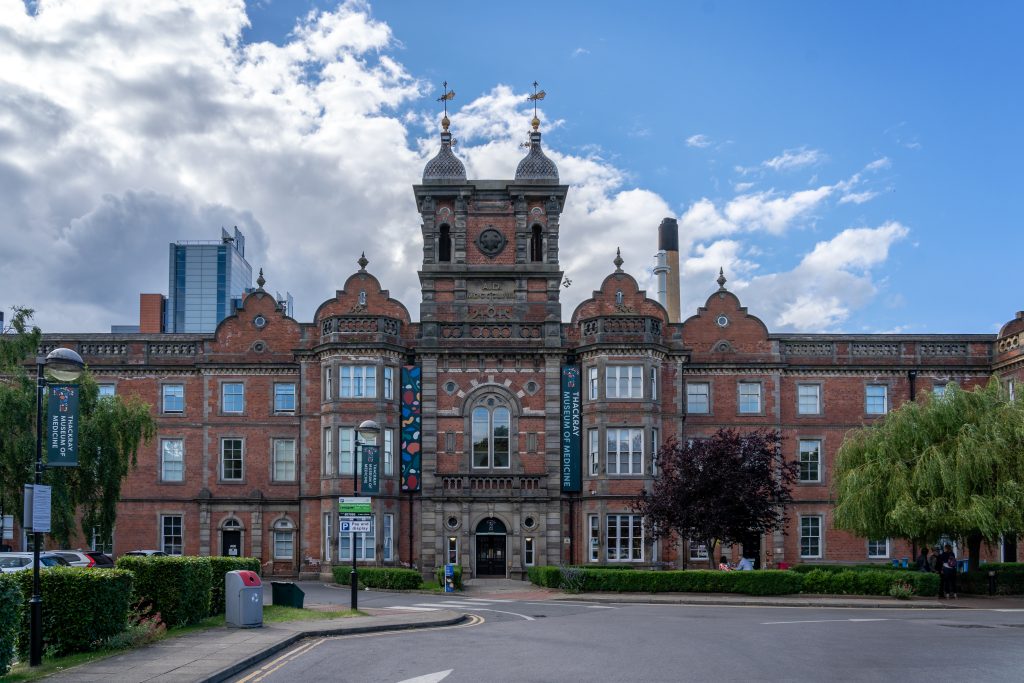
Thackray Museum of Medicine. Image credit: Ant Robling.
Located just outside Leeds City Centre in Harehills, the Thackray Museum of Medicine is the UK’s largest independent medical museum. Attracting over 60,000 visitors each year, it offers immersive galleries – from the slums of Victorian Leeds to the cutting edge of tomorrow’s medical technology. We spoke to Edward Appleyard, Chief Executive of the Thackray Museum, about thriving without public funding, the role of community, and the status of museums in today’s cultural landscape.
What does it mean in practice to be an ‘independent’ museum?
Being independent gives us the freedom to stay true to our values and focus on the issues we believe are important. It allows us to be agile and adaptable in ways larger, national organisations often struggle with. This independence also lets us respond directly to the needs of our local communities – in Harehills, Gipton, and Leeds – in ways that are immediate and meaningful.
What unique challenges does being independent present in terms of funding, governance, and day-to-day operations?
Funding is our biggest challenge. Without large fundraising teams, we must be selective and invest time deeply in building relationships with the funders we do approach. With funders increasingly stretched and application success rates dropping, it’s an even greater challenge. Fortunately we have incredibly supportive partners like the National Lottery Heritage Fund and the Thackray Medical Research Trust who help us to deliver valuable work in education and community engagement.
Thackray Museum of Medicine. Image credit: Ant Robling.
Despite these challenges, Thackray has gone from strength to strength in recent years, earning national and international recognition. How has the museum evolved over time – both in its physical space and its mission or programming?
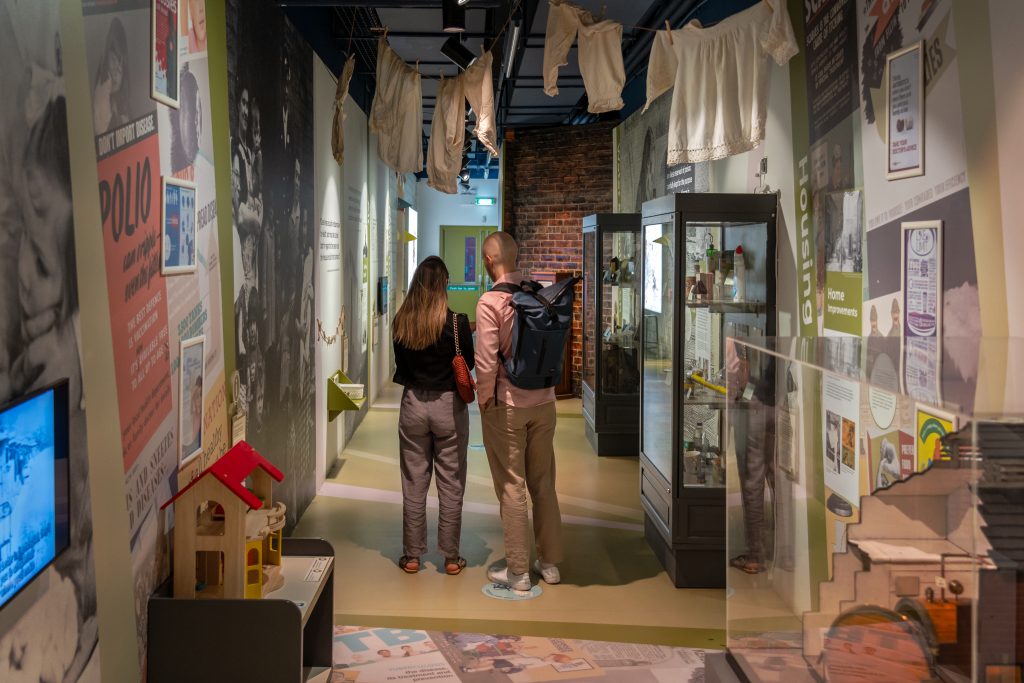
The museum has changed drastically over the past 30 years. A key turning point was the 2020-2021 redevelopment, which transformed almost all of our public spaces — including the entrance, café, shop, and exhibition galleries.
Like many UK museums, we’ve shifted from a fact-based, object-led approach to one that prioritises relevance and lived experience. We now build exhibitions around real stories, connecting historical objects to the people behind them. But more than that, the most powerful parts of our galleries today come from people who have chosen to share their stories with us. Around 350-400 people contributed to the redevelopment, from local community members to professionals at St James’s Hospital. This blend of lived experience and clinical expertise ensures that our exhibitions aren’t just historical, but also deeply human and meaningful.
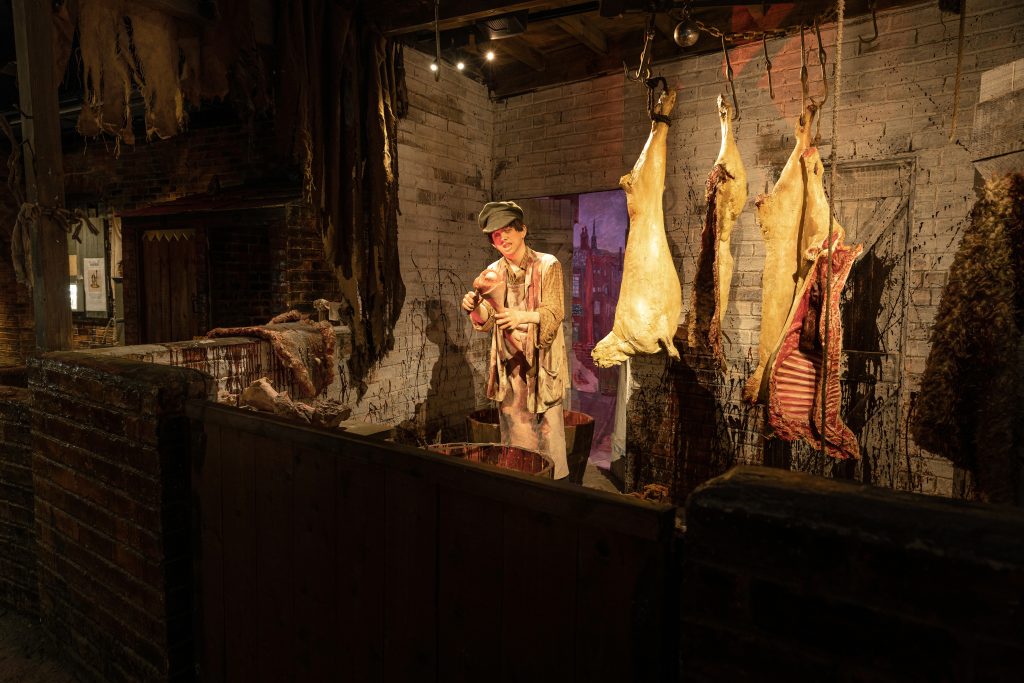
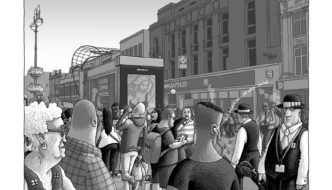
Disease Street,. Credit: Thackray Museum of Medicine.
Do you have a personal favourite among the redeveloped exhibition spaces?
I absolutely do! One is ‘Normal and Me’, which explores what it means to be “normal”? It delves into health, identity, and different lived experiences through first-person stories. I am especially moved by a panel featuring a blind woman describing everyday challenges — like being helped across the road when she didn’t want it, or being excluded from conversations because others assumed she couldn’t engage. Hearing these stories in people’s own words, alongside their photos, is incredibly powerful.
The gallery also touches on mental health, gender equality, prosthetics, and hearing devices. We may be small, but we aim to represent as many perspectives as possible, reminding visitors we’re a museum about people, not just medicine.
Thinking about the importance of people to the museum, can you tell us more about the museum’s work with the local community?
In a community like Harehills, with significant economic and social challenges, offering space is one of the most meaningful things we can do. We provide free access for over 6,000 local people each year, supporting everything from women’s refugee groups to men’s mental health meetups. In an area with few such resources, that alone makes a difference.
We also co-create programmes that challenge stereotypes and celebrate the community’s diversity and strength. One close to my heart is ‘Our Voices Our Words’, a creative writing project led by Natalie Tharraleos and Suhaiymah Manzoor-Khan. It gives space for residents to share lived experiences of Harehills and counter the negative media narratives, especially after the Harehills riots. At the final event, a family member thanked me for “standing with us.” That moment affirmed how important it is that the museum not only exists in Harehills, but truly stands with its community.
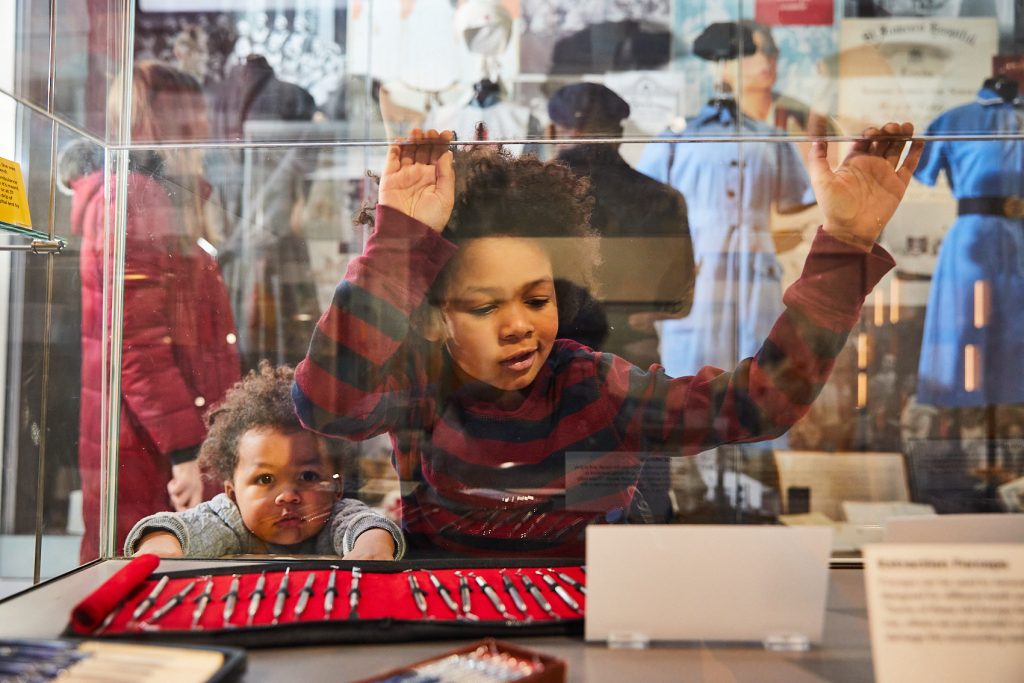
Credit: Thackray Medical Museum.
Thackray is clearly a space for people as much as objects. Having worked across major cultural institutions, how does your current role – at a medical museum – reflect your broader passion for connecting people to culture and heritage?
The title “Museum of Medicine” can be misleading – we’re not just about science, but the context behind it. What was happening in Victorian Britain that changed medicine beyond recognition? What did big events and changes to society mean for the advancement of public health and the people working in healthcare? What did the Windrush generation mean for the workforce of the NHS in the 1950 and 60s? How were people were treated differently during COVID just five years ago? These aren’t purely scientific questions – they’re cultural and social ones. STEM learning is important, but as an artist, I believe the arts create space for dialogue, cultural reflection, and personal interpretation. They help people explore complex ideas from different perspectives.
Across all my roles — from the London Symphony Orchestra to Harewood House — I’ve always focused on connecting the conversation. Whether it’s music, history, or wellbeing, it’s about making culture meaningful and accessible.
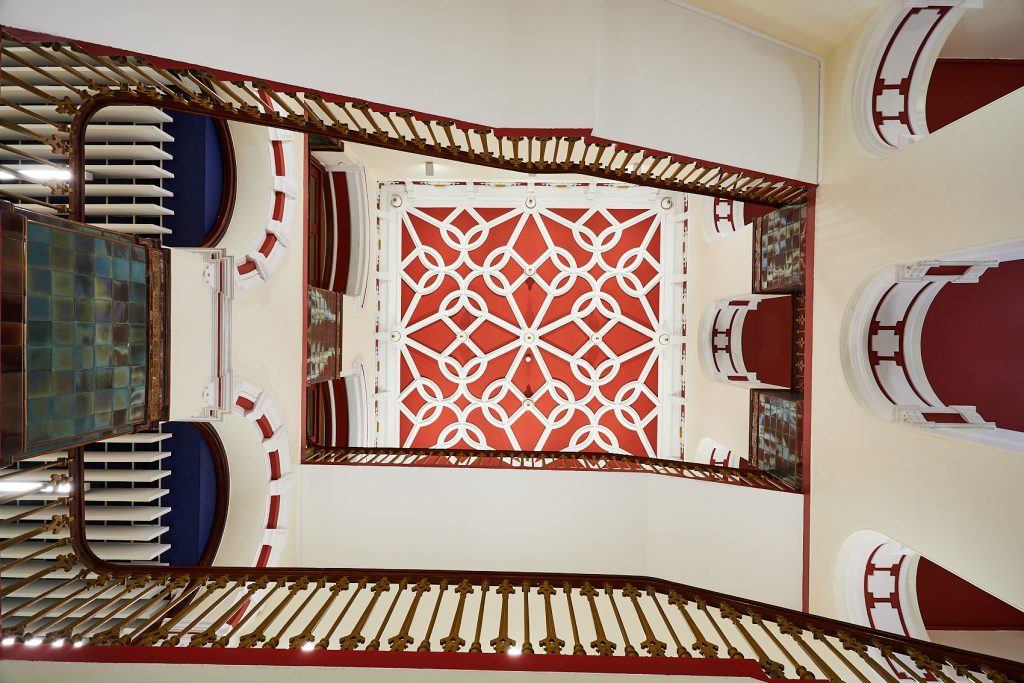
Entrance Hall. Credit: Thackray Museum of Medicine.
What does that intersection between science and the arts make possible?
It sparks new thinking, representation, empathy, and understanding – all of which are crucial in today. With a cost-of-living crisis, rising mental health diagnoses in children, and divisive national conversations fueled by right-wing narratives, the work of cultural institutions like ours is even more critical. Building bridges — across sectors, across experiences, across people — has never been more necessary.
You’ve painted a powerful picture of the museum’s purpose today. Looking ahead, what’s next for Thackray?
The straightforward answer is that we’ve found a rhythm doing work that feels important and we want to continue developing this without any big drastic changes. But as we approach our 30th anniversary in 2027, my focus turns to the next 30 years. I ask myself: what will the world look like in 2057? How might museums evolve, and how can we stay relevant while keeping our purpose and ethos intact? I can’t predict the future, but I’m certain the museum must be here in 30 years. We have an incredible collection that opens the door to amazing stories, and that can’t be lost.
***
For more information on opening times, ticket prices and events happening at The Thackray Museum of Medicine visit their website at – https://thackraymuseum.co.uk/.
Their latest exhibition ‘POO’ runs until 4 January 2026.
Filed under: Science
Tagged with: arts and culture, community, Heritage Lottery Fund, independent, Leeds Museum, Medicine, stories, Thackray, Thackray Museum of Medicine
Comments